What Gives Me Hope
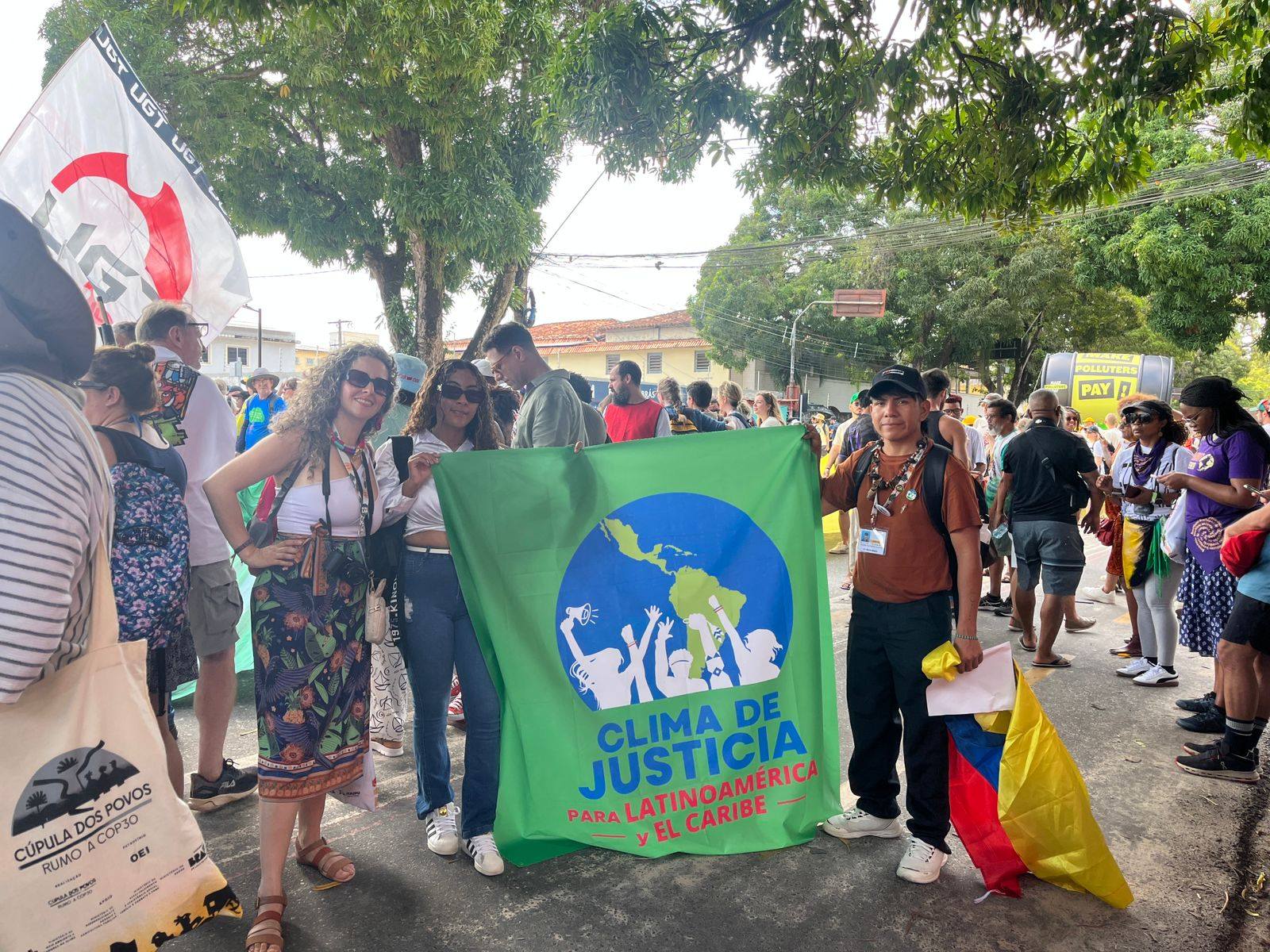
Hope, for me, is not passive. It is a choice — rooted in witnessing bravery under pressure, dignity in the face of injustice, and solidarity when it would be easier to look away.
I grew up in a home where justice was not abstract. My father came to the United States as a political refugee and later worked with the United Nations on peace and conflict resolution. My mother was a social worker. Conversations at our dinner table centered on human rights, equity, and our responsibility to one another. Time spent with family in Zimbabwe showed me both the power of women’s empowerment and the cost when it is denied. I learned early in my childhood that equity means ensuring that everyone — especially those historically excluded — have access to resources, capital, knowledge, and decision-making power. Those early lessons still shape how I lead today.
When people ask how I stay hopeful in a year marked by instability and funding cuts, my answer is simple: I stay close to the work. One year into my role as Executive Director of WomenStrong International, I have learned that understanding the landscape and leading through it effectively are very different things. This year, 40 percent of our women-led partners have been directly affected by cuts in public funding. The impact has been immediate and destabilizing.
And yet, they are not retreating. They are recalibrating.
What gives me hope is not that conditions are easy — they are not. It is that women-led organizations are responding with clarity, courage, and strategy. They are tending not only to programs, but to people. They are providing psychosocial support to teams navigating burnout and uncertainty. They are scenario-planning. They are diversifying revenue streams. They are asking hard questions about sustainability and then building toward it.
Across our network, I see leaders pivoting in real time.
- In Afghanistan, Sahar continues to run underground schools for girls, integrating digital and coding skills into a context where girls’ education has been banned. In a climate of fear, they create spaces of safety, dignity, and possibility.
- In Nairobi, The Action Foundation has expanded STEM education to dozens of schools, ensuring girls with disabilities have access to peer mentors and inclusive learning environments. They are responding to exclusion not just with services, but with systems change — equipping girls to lead in their own communities.
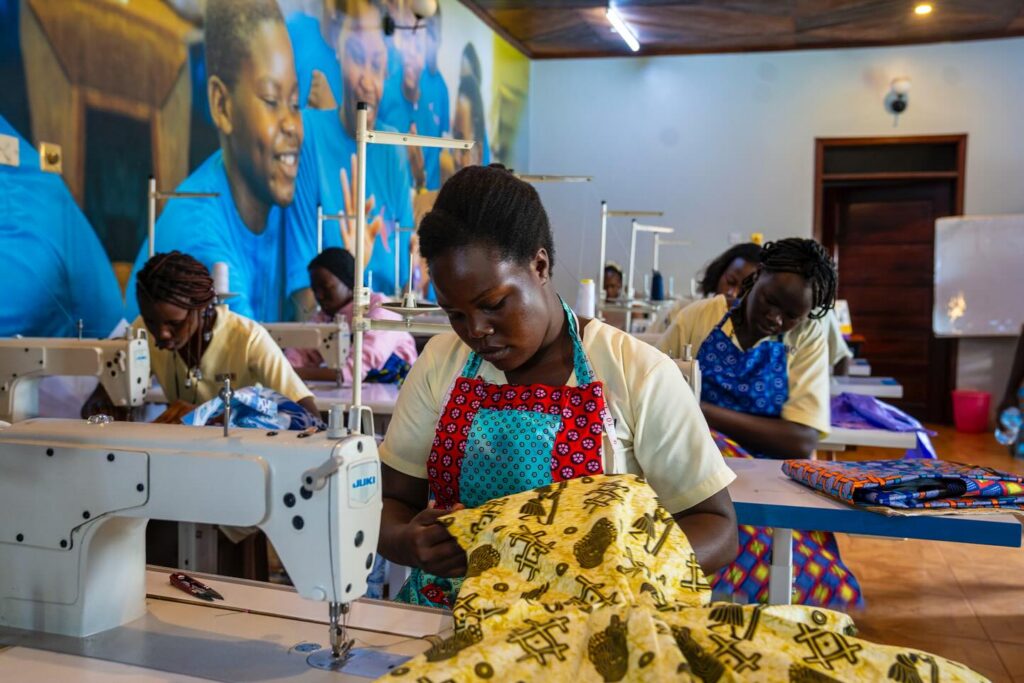
- In Uganda, Girl Up Initiative Uganda is working with out-of-school young women with limited opportunities. Rather than scale back, they have strengthened social enterprises in fashion and tailoring, while investing in vocational training and wraparound support. A design hub and early childhood care center generate income and stability. This is what strategic pivoting looks like: pairing vision with diversified revenue and community care.
- In Guatemala, the Women’s Justice Initiative provides legal services to Indigenous women while challenging the systems that perpetuate violence. As funding landscapes shift, they are strengthening partnerships and deepening community leadership so that progress does not depend on a single stream of support.
- And in Colombia and South Africa, Black Girls Rising and ClimaLab are nurturing the next generation of climate justice advocates — and helping youth leaders reimagine environmental stewardship from the ground up.
These are not isolated programs. They are locally rooted institutions practicing responsiveness in its fullest sense: adapting to financial shocks, addressing trauma, supporting staff wellbeing, and redesigning strategies for long-term sustainability.
This moment demands that philanthropy do the same.
Transactional giving — restricted grants, short timelines, and rigid metrics — cannot meet a volatile world. What our partners need is flexible, trust-based funding that allows them to respond quickly and strategically. They need investment not only in programs, but in leadership development, organizational strengthening, and ecosystem collaboration.
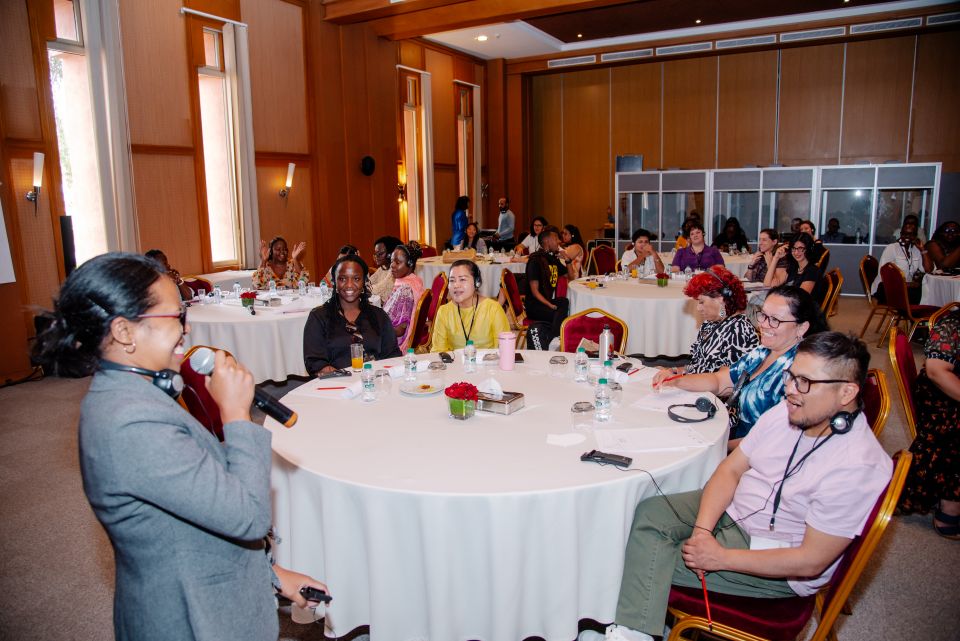
At WomenStrong, that is our commitment. We move power, money, and resources to women-led organizations through unrestricted funding and long-term partnerships. Our Learning Lab convenes 25 partners across 20 countries to share strategies, test new ideas, and strengthen operational resilience. When partners tell us they need support in financial planning, board development, revenue diversification, or staff wellbeing, we respond.
Resilience should not be a burden placed on grassroots organizations. As donors, our role is to follow their lead in determining how best to support their work and to help nurture an ecosystem that reduces their vulnerability to future shocks. If we are serious about resilience, we must be serious about who gets funded, who gets trusted, who gets to shape solutions, and how we ensure they get what they need.
Looking ahead, I believe gender equity is foundational to resilient communities and strong democracies. The opportunity before philanthropy is not simply to give more, but to give differently — with trust, solidarity, and a willingness to share power. That means supporting alternative financing models, encouraging revenue-generating social enterprises, embracing participatory grantmaking, and collaborating to reduce duplication and spread risk.
It also means recognizing that psychosocial support is not peripheral. In times of crisis, caring for leaders and teams is a strategic priority. Burnout erodes movements. Sustained wellbeing strengthens them.
There are days when the challenges feel immense. Funding gaps are real. Political headwinds are strong. But hope lives in action. It lives in women who refuse to abandon their communities. It lives in leaders who pivot with purpose. It lives in partnerships grounded in trust.
As long as our partners continue to show up with courage and clarity — and as long as we walk alongside them with responsive, flexible support — I remain hopeful about the future we are building together.